
 The Most Important Part of Cupping Isn’t the Coffee
Leading in both volume and in impact, the water you are using has the greatest effect on the outcome of your cupping. Too many or too few minerals in water –or the wrong minerals in the water – can flatten flavors and deflate acidity, robbing coffee of its full potential. To learn more about this, click here.
Using a variety of waters for evaluation along the supply chain will also complicate calibration – how could it not, considering 98% of the brew will be at least somewhat different? The Specialty Coffee Association (SCA) tries to combat this confusion by creating a basic standard for water, listed below:
"Water used for cupping should be clean and odor free, but not distilled or softened. Ideal Total Dissolve Solids are 125-175 ppm, but should not be less than 100 ppm or more than 250 ppm."
Now, this is a good starting point – but still leaves plenty of room for variance (up to 150 ppm), interpretation and opinion (“Well, it smells ok to me…”). And it provides a challenge for the cuppers where distilled or reverse osmosis (RO) water is considered the best option.
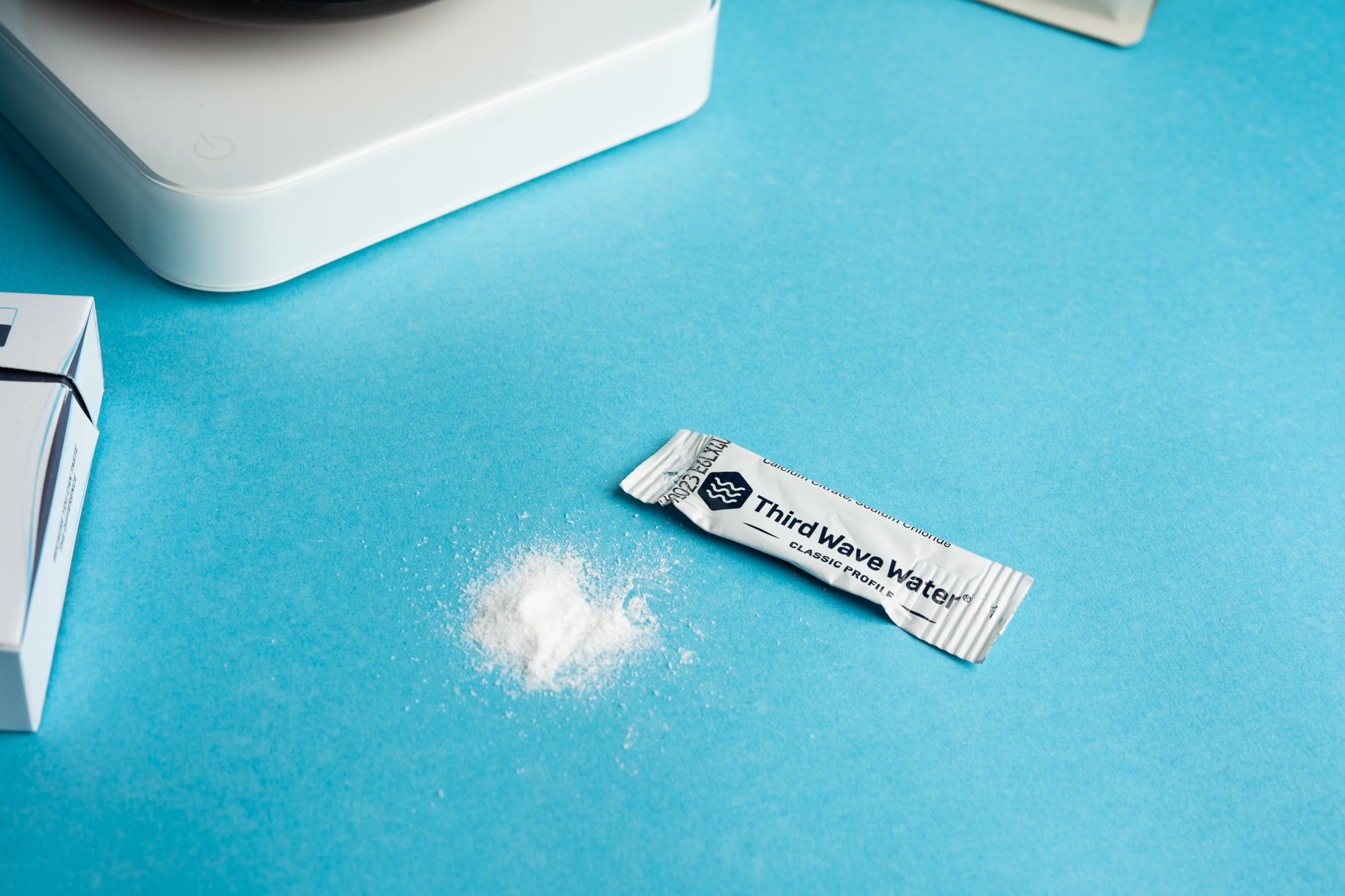
But what if we could all cup with the same exact water? Water that meets the industry standard every time. Water that highlights the best of your coffee, or maybe helps isolate the factor holding it back? Water that lets the coffee speak for itself.
One more Way to Taste the Difference:
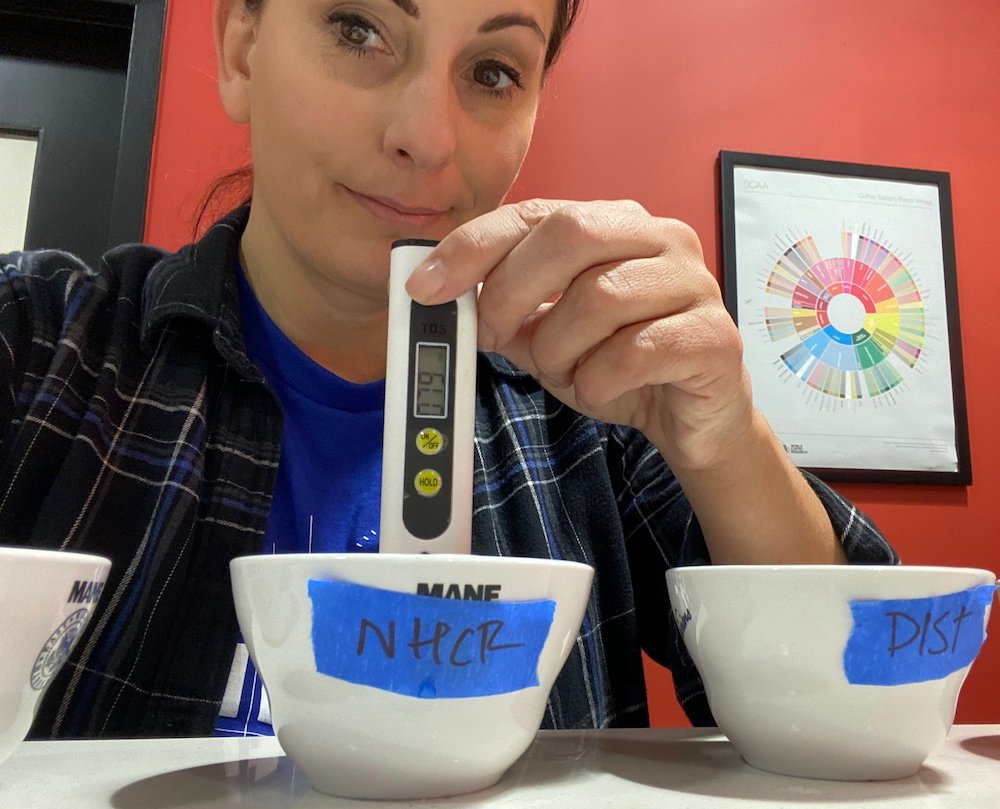
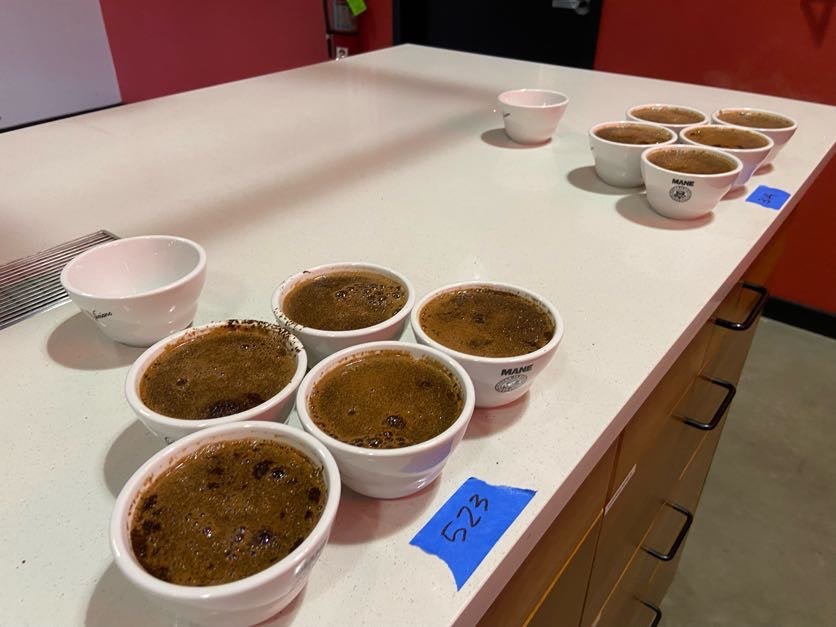
Cup to SCORE the difference (link to cupping directions). Score coffees to quantify the difference between TWW and Distilled water.
Leave a comment
All comments are moderated before being published.
This site is protected by hCaptcha and the hCaptcha Privacy Policy and Terms of Service apply.